Skip to content
GSR Logística Reversa
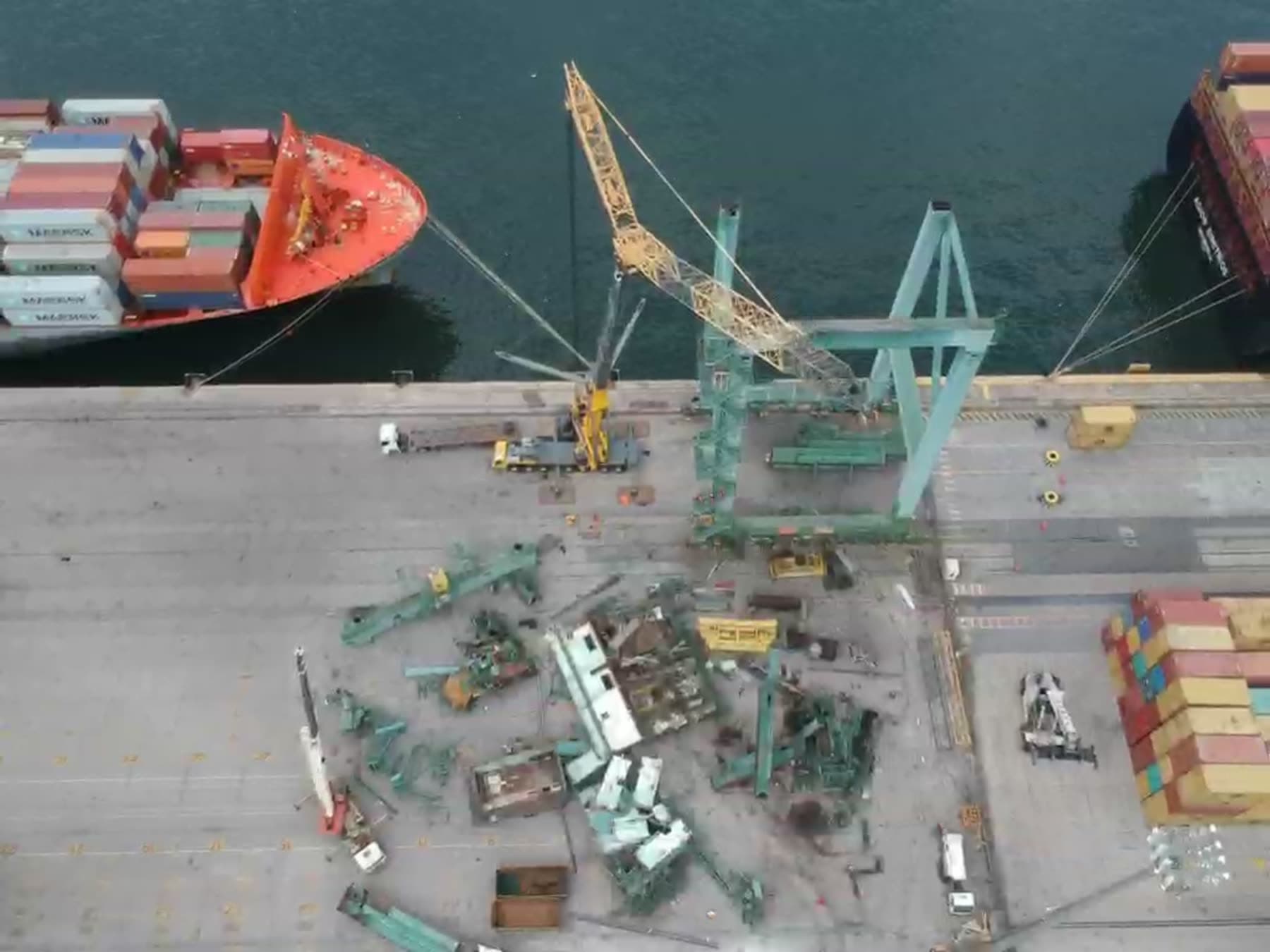
Aerial view of a container terminal with a vessel alongside and a ship-to-shore crane under dismantling

An end-of-life asset is not scrap. It is an engineering project.

GSR dismantles vessels, port equipment and heavy industrial structures — and documents every tonne, from the first cut to final destination.

Operating experience

In operation since 2016

Completed projects
+25
Tonnes handled and processed
+30,000
Professionals in teams of up to
35

Consolidated figures from own operations and consortium work.

End of life calls for decisions, planning and evidence

Before cutting begins, the asset, site constraints and each party's responsibilities must be understood.

Services
  • Assets out of service

    Assess options for vessels, equipment and structures that have reached the end of their useful life.

  • Complex structures

    Plan dismantling, lifting and removal around technical conditions and the available operating window.

  • Materials without traceability

    Organise weighing, classification and documentation to connect each lot to its origin and destination.

  • Occupied sites

    Sequence asset and material removal to release areas within the agreed scope and access arrangements.

Six steps, from diagnosis to documentary closeout

Scope is defined according to the asset, available documentation and the responsibilities of the client, GSR and its partners.

  1. Diagnosis

    Review asset characteristics, location, documentation and constraints. Preliminary estimates depend on available data and may require a technical site visit.

  2. Engineering and plan

    Define dismantling sequence, lifting, access, risks and documentation requirements, with responsible technical professionals and permits where applicable.

  3. Mobilization

    Organise the team, equipment and partners around the contracted scope and agreed operating window.

  4. Dismantling and segregation

    Carry out planned dismantling, material segregation and waste handling according to project conditions.

  5. Traceability and destination

    Connect lots, weights, transport and destination to available documentation, using qualified operators where required.

  6. Documentary closeout

    Compile execution records and destination evidence in a dossier within the agreed scope. Validation and official submission depend on the responsible parties.

Work already delivered

Three representative projects, with context, scope and the limits of the results presented.

Passenger vessel decommissioning

Context
A fleet withdrawn from service, decontaminated and dismantled with full material destination.
GSR scope
Waste removal, cutting and destination
Execution evidence
Material segregation and per-load manifests for waste destination.
Result
Dismantling and material destination within the scope presented.

Drilling rig dismantling

Context
An offshore jack-up unit withdrawn from service, dismantled onshore with segregation and destination of the structural material.
GSR scope
Cutting plan, structural dismantling and destination
Execution evidence
Dismantling in a planned cutting sequence, with material segregation on land.
Result
Tonnage is not published: inventory reconciliation and supporting documentation are still required.
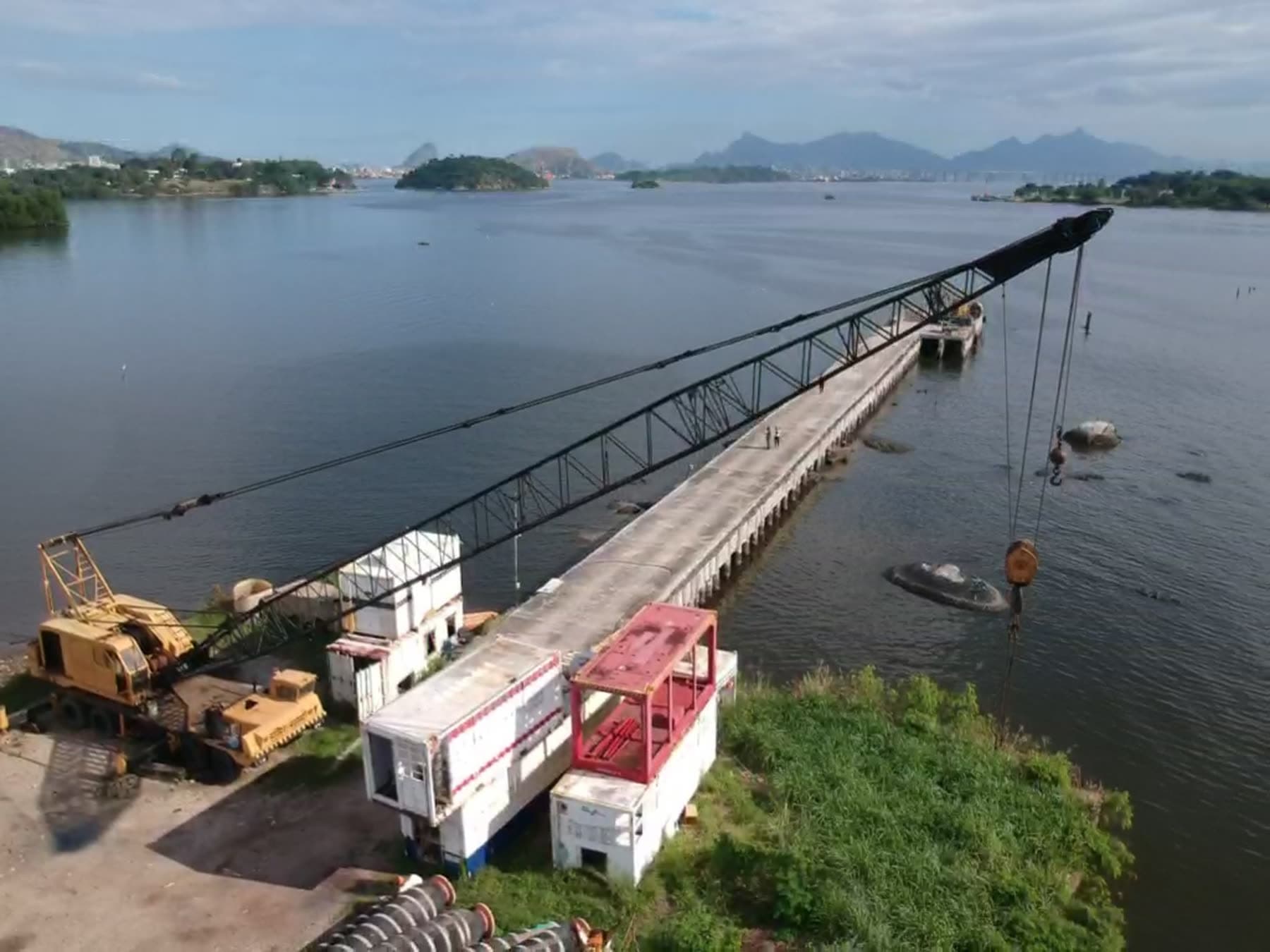
Aerial view of GSR's quay in Gradim

GSR 999: a physical base for operations

A site in Gradim, São Gonçalo (RJ), on Guanabara Bay, with a yard and quay to support receiving, processing and dispatch according to the project.

Access, draft, berthing, availability and licensing requirements are confirmed project by project. Expansion facilities are not presented as available capacity.

Explore GSR and its facilities

Research and industry participation grounded in practice

Work, presentations and public profiles provide context for the technical activity. They do not constitute certification or independent validation of operations.

  • Research and presentations

    Physical-financial measurement of recovered steel at SBPO 2026 and work associated with PUC-Rio and UFRJ. G-REACT is a study/model result as described, not a universal forecast or external operational validation.

    Explore background and work
  • ORCID

    Gabriel Gouveia Magalhães's public identifier for referencing his academic output.

    View ORCID
  • Lattes CV

    Gabriel Gouveia Magalhães's academic profile on the Lattes platform.

    View Lattes CV
  • Rio Ocean Week

    Participation in a discussion on the offshore supply chain, decommissioning and circularity.

    Watch the discussion
  • FGV Energia

    Presentation and industry discussion on decommissioning and circularity.

    Watch the presentation

Lot-level evidence, from the outset

See CircularOS

CircularOS is digital infrastructure in development to support project evidence organisation, traceability and measurement. Prototype, local environment, pilot and production operation are distinct stages; demonstrated features do not establish production readiness.

CircularOS is not presented as validated production operation. No claim is made of independent acceptance, external custody or validated backups. Tokenisation, environmental credits and regulatory integration are not promised as available features. Generated documents require technical validation before official submission; the system does not replace independent verification.

Start with the asset information

Provide the asset type, location, estimated scale and primary need. The initial assessment helps define technical next steps and any further information required.

Request a preliminary asset assessment

After submission, we review the enquiry and may request documents or suggest a technical discussion, with no commitment to contract. A preliminary assessment is neither a final quotation nor technical validation of the asset.